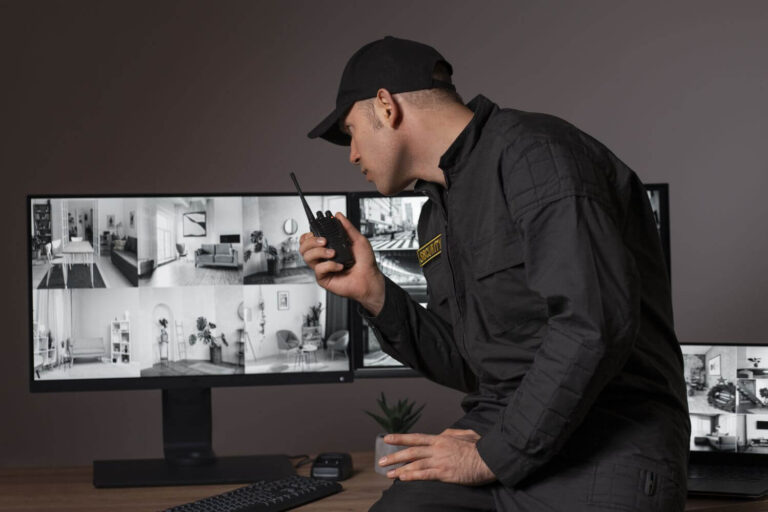
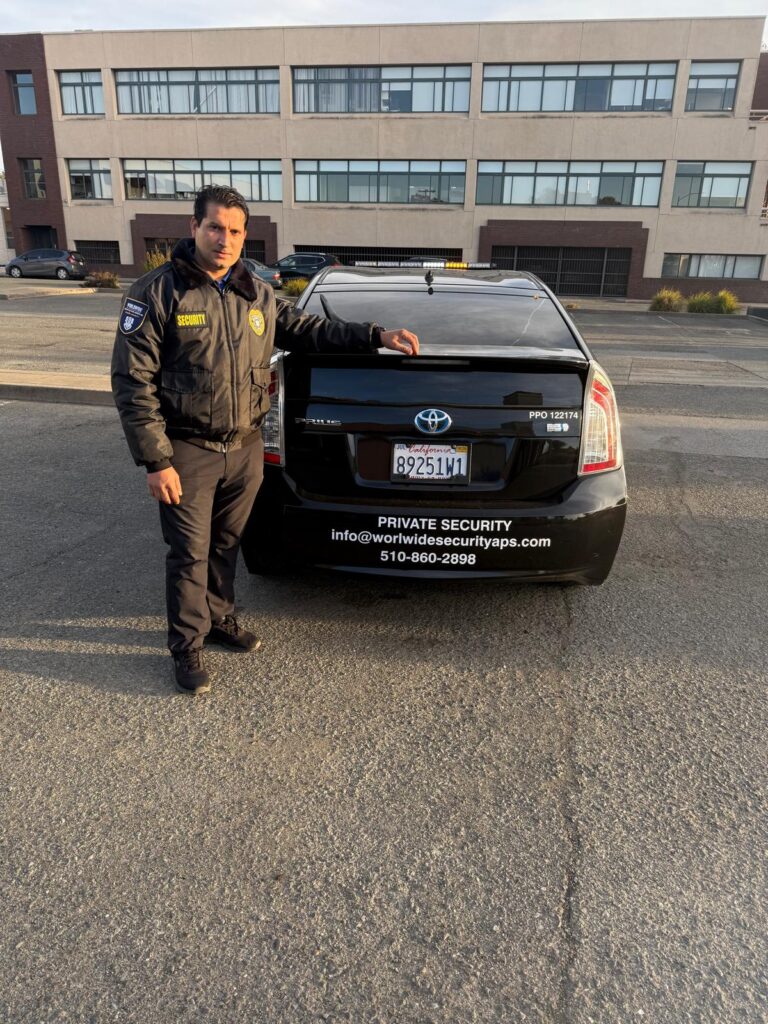
How to Choose a Security Company in the Bay Area Choosing a security company in the Bay Area is an important decision for businesses, property managers, organizations, and property owners. With...
Private Security Services in California: How to Choose the Right Security Partner Finding the right private security company in California is an important decision for businesses, property owners...
Commercial Security Services in the Bay Area: What Businesses Should Consider Businesses throughout the Bay Area operate in environments where employees, customers, equipment, information, inventory...
Bay Area Security Guards: Choosing the Right Security Company for Your Property Businesses and property owners throughout the San Francisco Bay Area have different security requirements depending on...
Security Guard Services in California: Protecting Businesses, Properties, and People Security is an important consideration for businesses, property owners, organizations, and communities throughout...
Historically, the corporate world has treated physical security and cybersecurity as two entirely separate, isolated entities. Facilities managers or the HR department handled the surveillance...
The digital landscape is evolving at a breakneck pace, and cybercriminals are becoming more organized, funded, and sophisticated by the day. From crippling ransomware attacks that completely halt...
You can invest millions of dollars in the most advanced next-generation firewalls, deploy military-grade encryption, and install biometric access control systems on every door, but your...
In an increasingly unpredictable and interconnected world, safeguarding your business assets is no longer a luxury reserved for multinational corporations—it is an absolute necessity for every...